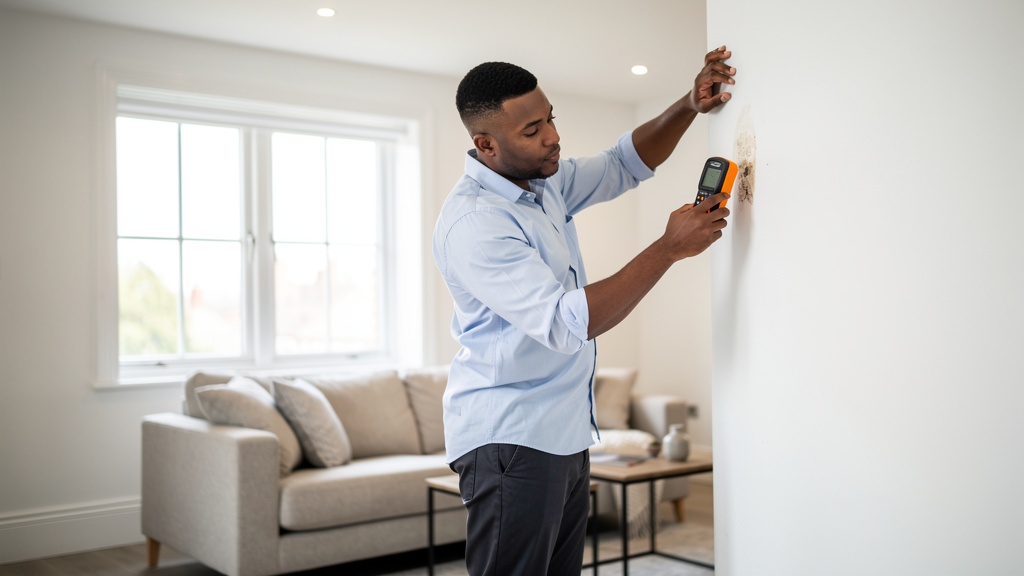
If you're shopping for a surveyor in Nottingham, you'll see "RICS regulated" everywhere. But what does it actually mean — and why does it matter to you as a homebuyer or property owner?
What Is the Royal Institution of Chartered Surveyors?
The Royal Institution of Chartered Surveyors (RICS) is the world's leading professional body for surveyors, real estate professionals, and construction specialists. Founded in 1868, RICS now has over 134,000 qualified members in 146 countries. In the UK, it is the gold-standard organisation for property professionals.
When a surveying firm is described as "regulated by RICS" or "RICS-regulated," it means the firm and its individual surveyors are formally registered with and regulated by RICS under a set of rigorous professional standards.
What Does RICS Regulation Actually Require?
Being RICS-regulated isn't just a badge — it comes with real obligations:
- Professional qualifications: All RICS members must pass rigorous professional examinations and demonstrate practical competence before receiving their qualification
- Professional indemnity insurance: All RICS-regulated firms must hold appropriate insurance to protect clients if something goes wrong
- Continuing professional development: RICS members must undertake ongoing training to keep their knowledge current
- Client money protection: RICS-regulated firms must follow strict rules about client funds
- Complaints procedure: All regulated firms must have a formal complaints process, and clients can escalate to the RICS if unsatisfied
- Code of conduct: RICS members must adhere to a strict ethical code, including acting with honesty, integrity, and in clients' best interests
RICS vs Unregulated Surveyors
Here's the uncomfortable truth: in the UK, there is no legal requirement to use a qualified surveyor when buying or selling property. Anyone can call themselves a "property inspector" or "house checker" without any qualifications at all. The difference between them and a RICS-qualified surveyor is enormous.
Always Use a RICS-Regulated Surveyor
Always check that your surveyor is a member of RICS or another recognised professional body (CIOB or RPSA) before booking. An unqualified surveyor's report may be worthless — and you'll have no professional recourse if something is missed.
What About CIOB and RPSA?
At Nottingham Surveyors, our team holds accreditation from RICS, the Chartered Institute of Building (CIOB), and the Residential Property Surveyors Association (RPSA) — all three of the main professional bodies in residential surveying. Each brings different but complementary expertise:
- RICS: The global gold standard for property surveying and valuation
- CIOB: The leading body for construction and building expertise — particularly relevant for structural analysis
- RPSA: The specialist body for residential surveying, focused on consumer protection and survey quality
How to Verify a Surveyor's Credentials
You can verify any RICS member's status by searching the RICS Find a Surveyor directory online. Similarly, CIOB and RPSA both have member directories on their websites. Always check before you book — don't just take a firm's word for it.
A "chartered surveyor" is a surveyor who holds the RICS qualification (MRICS or FRICS). The term "chartered" is a protected designation. Not all surveyors are chartered — "surveyor" alone can be used by anyone. When booking a home survey, always ask specifically whether the surveyor is RICS-qualified or chartered under another recognised body.
Yes. All our surveyors hold professional accreditation from RICS, CIOB, or RPSA — or in some cases, multiple bodies. Our practice is regulated by RICS, which means we maintain professional indemnity insurance, follow RICS standards and guidelines, and are subject to RICS oversight. You can verify our status on the RICS Find a Surveyor directory.

Related Articles
 Buyer's Guide
Level 2 vs Level 3 Survey
Read Article First-Time Buyers