
Nottingham is a city of Victorian terraces. From Mapperley Park to Sneinton, Hyson Green to Carlton, these characterful red-brick properties dominate the residential landscape — and for good reason. They're beautiful, robust, full of period detail, and genuinely charming to live in.
They're also absolutely packed with potential issues that you need to know about before you buy one. I've surveyed hundreds of Victorian properties across Nottingham over the past 20 years, and in this article I want to share the most important things to look out for — and explain why a Level 3 building survey is almost always essential for Victorian stock.
Why Victorian Properties Need a Level 3 Survey
Victorian buildings were constructed using solid lime mortar, solid brick walls (no cavity), original timber floors, and slate or clay tile roofs. These materials behave differently to modern construction. Lime mortar is more flexible but also more porous. Solid brick walls absorb more moisture. Original timber is resilient but vulnerable to insect attack and rot when ventilation fails.
A Level 2 home survey will flag obvious issues but doesn't include the roof void inspection, subfloor investigation, or detailed structural analysis that Victorian properties require. For virtually any Victorian property, the Level 3 building survey is the right choice.
The 8 Most Important Things to Check in a Victorian Terrace
1. Rising Damp and Failed Damp Proof Course
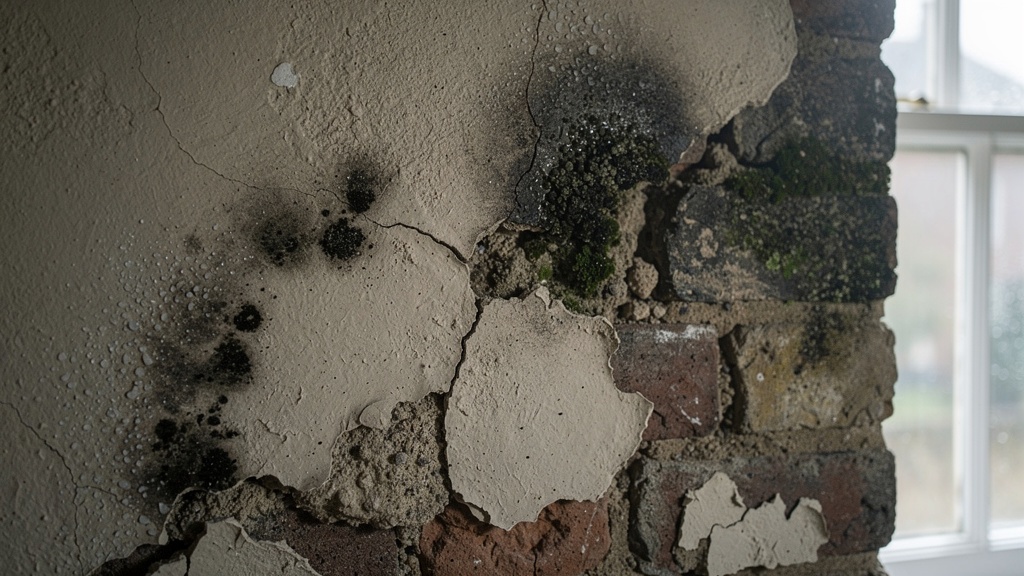
Victorian properties either have no damp proof course at all, or a slate or brick DPC that may have deteriorated. Rising damp is common — and often hidden behind modern plaster finishes or suspended floors. Don't trust fresh plasterwork; it can conceal months of remediation works that haven't addressed the underlying cause.
2. Chimney Stacks and Flashings
Victorian terraces typically have two chimneys per house (front and rear elevations). After 120–140 years, chimney stacks frequently need repointing, often full or partial reconstruction. Lead flashings fail, allowing water ingress at the roof-stack junction. This is one of the most common findings in our Nottingham Victorian surveys.
3. Roof Voids and Timber Condition
Victorian roof structures typically use cut rafter roofs rather than modern trussed rafters. When maintained, they're very long-lasting. When neglected — poor ventilation, missing tiles allowing water ingress — they can develop significant timber rot or beetle infestation. The roof void inspection in a Level 3 survey is essential.
4. Suspended Timber Ground Floors
Most Victorian terraces have suspended timber ground floors. These need underfloor ventilation to prevent moisture accumulation and timber decay. Blocked airbricks — often covered by raised pathway levels or garden soil — are extremely common. In some properties we find joists in advanced stages of wet rot.
5. Front Bay Window Structure
The front bay window is a structural weakness point in Victorian terraces. The combination of the bay window roof slope, internal plaster, and thermal movement creates conditions for damp ingress. We find bay window issues in a significant proportion of Nottingham Victorian surveys.
6. Drainage and Gulley Condition
Victorian drainage systems are old. Clay or cast iron pipes, shared drainage gulleys, and original inspection chambers are common — and often in poor condition. Collapsed drains or root invasion are relatively common in older Nottingham streets. A CCTV drain survey alongside your building survey is often worthwhile.
7. Previous Alterations and Additions
Many Victorian terraces have had rear extensions, kitchen extensions, or outbuildings added over the decades. These vary enormously in quality — from well-built 1980s brick extensions to poorly constructed lean-tos from the 1960s. All need careful inspection for damp bridging, structural inadequacy, and building regulation compliance.
8. Electrical Wiring
Older wiring — particularly rubber-insulated cable that pre-dates modern PVC wiring — is common in Victorian properties that haven't been comprehensively renovated. If you see original Bakelite switches, surface-run conduit, or fuses (rather than modern MCBs) in the consumer unit, budget for a full rewire.
"Victorian properties in Nottingham are remarkable buildings — but they need love, investment, and a thorough survey before you buy. I've seen too many buyers fall in love with the high ceilings and period fireplaces, only to find a £20,000 remediation bill hiding behind the fresh paint." — James Whitmore
How Much Should You Budget for Victorian Terrace Repairs?
If you're buying a Victorian terrace that hasn't had significant investment in the last 10–15 years, a prudent approach is to budget a contingency of 5–10% of the purchase price for remediation works in the first 3–5 years. Some of that may not be needed — but knowing it's there means you won't be caught out.
Absolutely — Victorian terraces offer character, space, and solidity that modern properties often can't match. The key is going in with eyes open: get a Level 3 building survey, understand the issues, negotiate accordingly, and budget for ongoing maintenance. A well-maintained Victorian terrace in a good Nottingham neighbourhood is a sound long-term investment.
Many alterations to Victorian terraces in Nottingham can be carried out under permitted development rights without planning permission. However, properties in conservation areas (several exist in Nottingham) have more restrictions. Your survey report will flag any alterations that may have planning or building regulation implications, and your solicitor will advise on the legal position.

Related Articles
 Common Defects
10 Most Common Property Defects
Read Article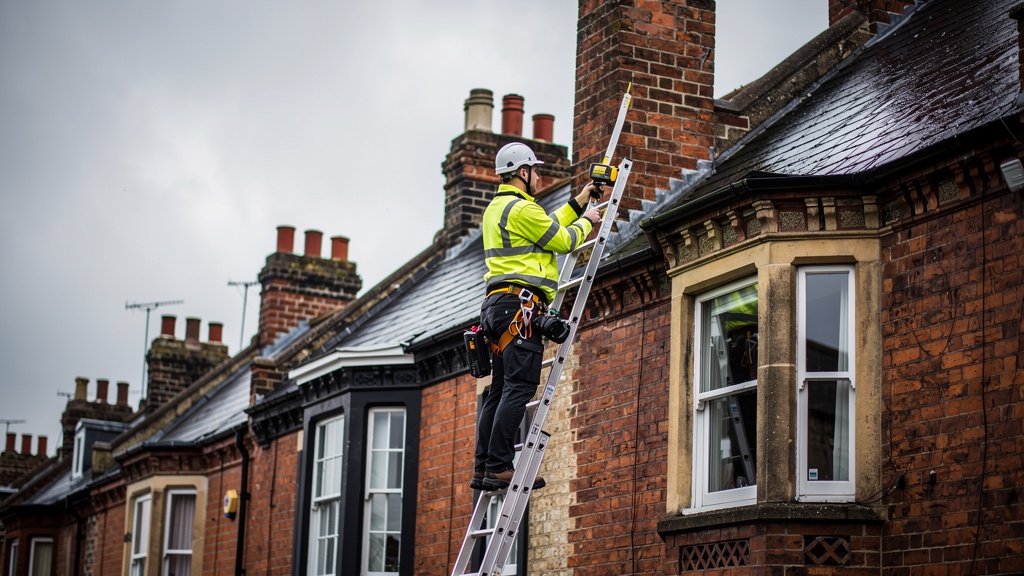 Building Surveys