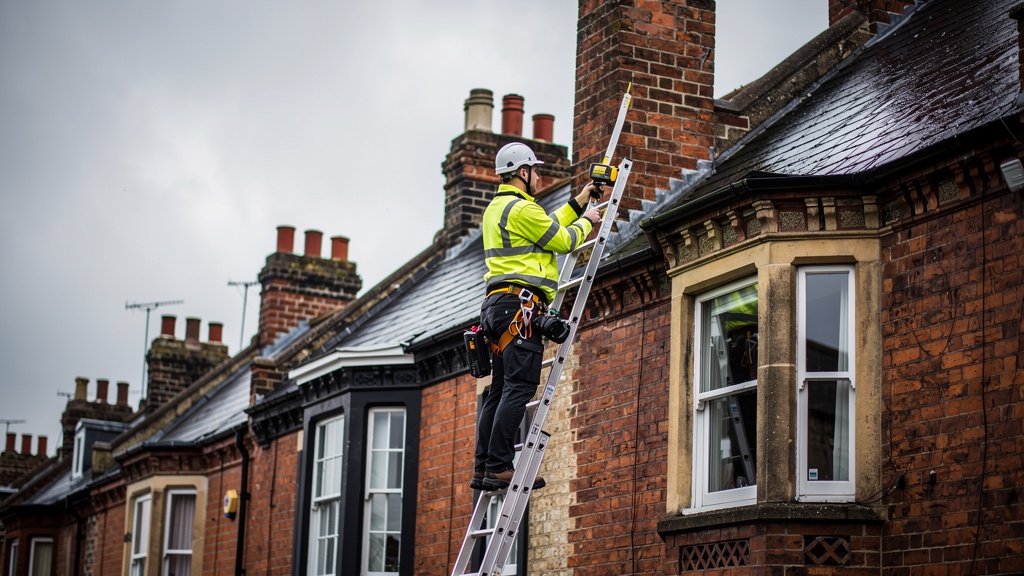
One of the hardest decisions when buying a property in Nottingham is choosing the right level of survey. Level 2 or Level 3? For many buyers, cost is a factor — and since a Level 3 building survey is more expensive than a Level 2 home survey, it's natural to wonder whether the upgrade is really necessary.
My honest view, after 20 years and 1,250+ surveys across Nottinghamshire? Whenever there is genuine doubt, choose Level 3. The additional cost is almost never wasted. But let's be more specific — here's our definitive guide to when a Level 3 home survey is the right choice.
1. The Property Is Pre-1900
Victorian and Edwardian properties — and anything older — are almost always better served by a Level 3 building survey. Why? Because buildings constructed before 1900 used different materials, different construction techniques, and operate under different structural principles to modern properties. Original lime mortar. Solid brick walls without cavities. Timber floors on suspended joists. Original roof structures with no modern insulation.
These properties age beautifully — but they require an experienced eye that goes deeper than a Level 2 allows. Our surveyors have inspected hundreds of Victorian and Edwardian properties across Nottingham and know exactly what to look for.
2. The Property Has Been Extended or Significantly Altered
If a property has had a rear extension, a side return extension, a loft conversion, a garage conversion, or any significant structural alteration, a Level 3 survey is strongly advisable. Extensions create junction points — between old and new construction — that are prone to damp transfer, movement cracking, and structural inadequacy. A Level 3 survey will analyse these junctions in detail and flag any concerns about building regulation compliance or structural integrity.
3. You Can See Signs of Structural Movement
If you've noticed cracks in the external brickwork, diagonal cracks above or below windows and doors, or internal cracks running through plaster at 45 degrees — these are potential signs of structural movement. A Level 2 survey will flag these, but a Level 3 will analyse them in depth, assess whether they're active or historical, and advise specifically on further investigations needed.
4. The Property Is in Poor Condition or Has Been Neglected
If a property has clearly had minimal maintenance investment — peeling paint, blocked gutters, damp patches, a tired roof — a Level 3 is essential. Poor maintenance doesn't just look bad; it usually signals systemic defects that have been allowed to develop unchecked for years. The Level 3 approach gives you the detailed findings and cost estimates you need to understand the full scale of remediation required.
5. You're Planning Major Works After Purchase
If your intention is to renovate, extend, or significantly alter the property after purchase, a Level 3 survey gives you the detailed structural information you need to plan effectively. It's a much more useful foundation for speaking to architects, structural engineers, and builders than a Level 2 report.
6. The Property Is Large or Unusual
Larger detached homes, properties with outbuildings, coach houses, properties with cellars, or anything with non-standard construction (timber framing, stone construction, converted barns or churches) — all benefit from the comprehensive approach of a Level 3 survey.
7. The Property Is in a Flood or Subsidence Risk Area
Properties near watercourses, low-lying areas prone to flooding, or in parts of Nottinghamshire with historical coal mining subsidence risk all warrant a Level 3 survey. The structural depth of analysis helps identify whether previous flooding or ground movement has caused lasting damage, and the report will recommend appropriate further investigations (e.g. drain surveys, structural engineer reports).
"If you're buying a property and you're asking 'do I need Level 3?', the very fact you're asking the question probably means the answer is yes." — James Whitmore, Director
When Is a Level 2 Survey Sufficient?
A Level 2 home survey is typically sufficient for:
- Standard properties built between 1930 and 2000 in broadly good condition
- Properties with no visible signs of structural movement
- Properties that haven't been significantly extended or altered
- Properties where you want a thorough check but don't need full structural analysis
If you're still not sure which level is right for your specific property, contact us and we'll advise you — free of charge, no obligation. That's part of the service.
Yes, absolutely. A Level 3 includes inspection of roof voids, subfloor spaces, and provides detailed structural analysis that a Level 2 doesn't. For older or complex properties, this additional depth regularly uncovers significant issues that a Level 2 would have missed or only flagged as a generic "monitor" item.
Typically 30–50% more, depending on the property size and complexity. For a standard 3-bedroom home, a Level 2 might cost £400–£500 while a Level 3 might cost £550–£750. For larger or more complex properties, the difference can be larger. In all cases, the extra cost is small relative to the additional information you receive — and the potential repair costs it helps you avoid.

Related Articles
 Buyer's Guide
Level 2 vs Level 3 Survey
Read Article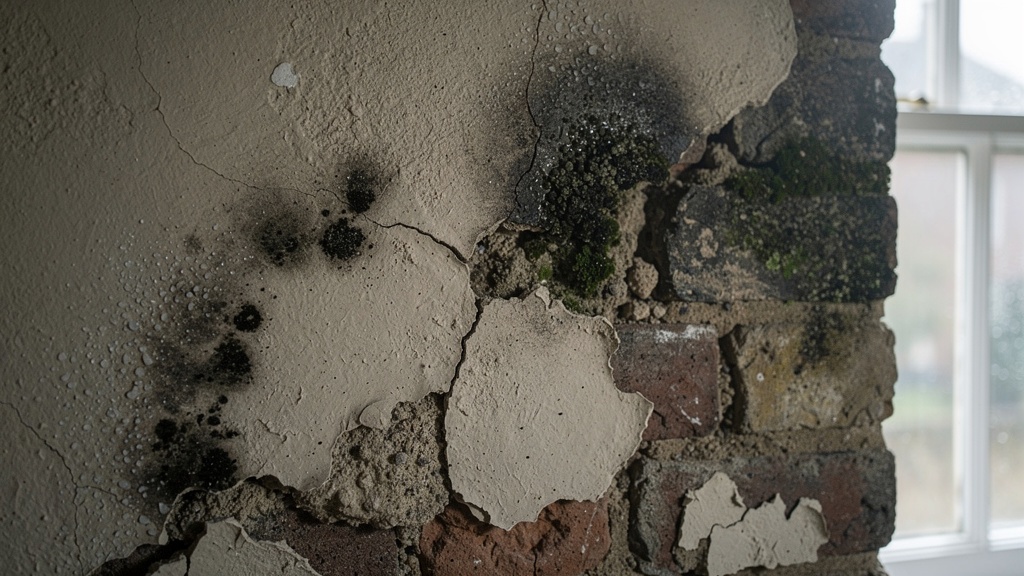 Common Defects