After completing over 1,250 property surveys across Nottingham and Nottinghamshire, our team has a pretty clear picture of what typically goes wrong with local homes. Some defects are unique to specific property types or eras of construction. Others turn up again and again — almost regardless of the age or price of the property.
This article is our honest guide to the ten defects we find most frequently when surveying properties across the Nottingham area — complete with typical repair cost ranges so you know what you might be dealing with.
1. Rising Damp (Found in ~65% of Pre-1930 Properties)
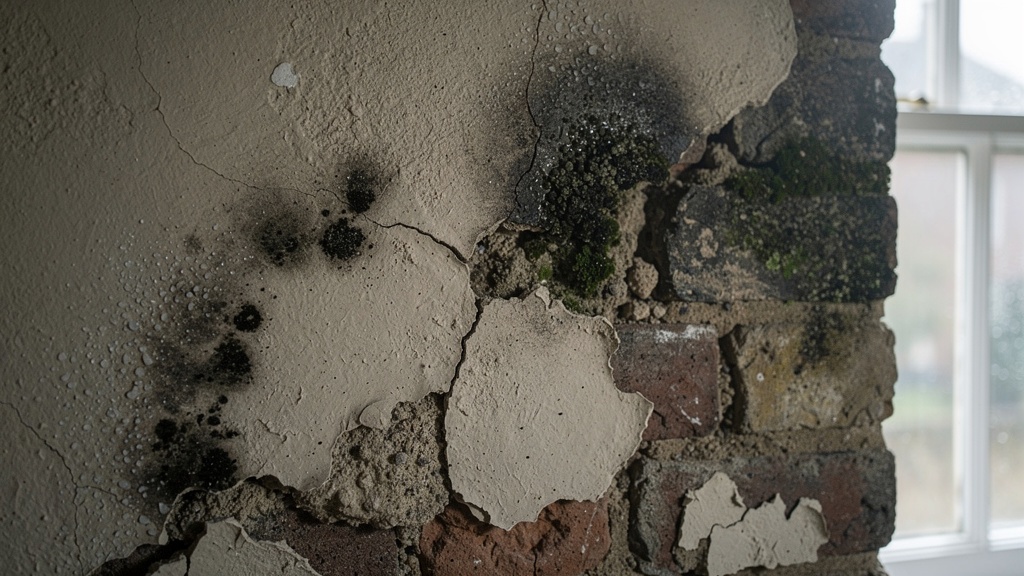
Rising damp remains one of the most common findings in older Nottingham homes. It occurs when moisture from the ground travels upward through porous brick or stone walls — either because there's no damp proof course (DPC), or because the existing DPC has failed. Typical signs include tide marks at skirting level, crumbling plaster, and a damp, musty smell at low level.
Typical repair cost: £800–£3,500 depending on extent. A new chemical DPC plus replastering in one room typically costs £1,200–£2,000.
2. Roof Defects (Found in ~55% of Surveys)
Roof issues are extremely common across Nottingham's housing stock. From slipped or broken tiles on a Victorian terrace to worn felt on a 1970s pitched roof, the variety is huge. Flat roofs are particularly prone to ponding and felt degradation, especially in extensions added in the 1980s and 1990s.
Typical repair cost: £200–£800 for minor repairs; £4,000–£12,000 for full re-roofing. Flat roof replacement: £1,500–£5,000.
3. Chimney Deterioration
Nottingham has an enormous number of Victorian and Edwardian properties with original chimneys. Chimney stacks that haven't been repointed in decades are extremely common — and they can allow water to track down into the roof space or down through internal walls. We also regularly find cracked chimney pots and unstable flashings.
Typical repair cost: £400–£1,800 for repointing and minor repairs; £3,000–£8,000 for rebuilding a collapsed or severely deteriorated stack.
4. Defective Gutters and Downpipes
It sounds minor, but blocked or leaking gutters and downpipes are one of the most common causes of serious damp problems in Nottingham properties. Water that can't drain correctly runs down the external wall face, penetrating at the wall/window junctions and saturating the outer leaf of brickwork. Many buyers don't notice this until they see the interior damp, by which point the issue is well-established.
Typical repair cost: £150–£600 for new plastic guttering. Wall repair and replastering as a consequence: £800–£3,000.
5. Structural Movement / Cracks
Nottinghamshire has some areas with historical coal mining activity, and parts of the city sit on made-ground or clay soils that can cause movement. We regularly find cracks — from hairline movement cracks that are of no structural significance, to significant diagonal stepped cracks in brickwork indicating ongoing subsidence. It takes an experienced eye to tell the difference, which is one reason a professional survey matters so much.
Typical repair cost: Cosmetic crack repair: £200–£500. Structural underpinning: £10,000–£30,000+.
6. Poor or Absent Cavity Wall Insulation
Thousands of Nottingham homes had cavity wall insulation installed in the 1980s and 1990s under government schemes. While well-intentioned, badly installed insulation can bridge the cavity and create damp transfer routes. We also regularly find properties with no insulation at all in the cavities. Both are worth knowing about before you buy.
Typical repair cost: Badly installed insulation removal: £2,000–£5,000. New insulation installation: £500–£1,500.
7. Outdated Electrical Installation
If you're buying a property with an original consumer unit or rewired more than 25 years ago, it's worth having the electrics tested. We often note signs of outdated wiring, non-RCBO protected circuits, or the presence of old rubber-insulated cabling (which degrades over time). An electrical test (EICR) is a worthwhile investment alongside your survey.
Typical repair cost: Partial rewire: £1,500–£4,000. Full rewire of a 3-bed property: £3,500–£6,000.
8. Inadequate Sub-Floor Ventilation
Properties with suspended timber ground floors — very common in Victorian and Edwardian homes across Nottingham — need adequate underfloor ventilation to prevent dampness and timber decay. We regularly find airbricks blocked by raised soil levels, overgrown plants, or later paving works. In severe cases, the ground floor joists are showing significant rot.
Typical repair cost: Clearing airbricks and improving drainage: £200–£800. Replacing affected floor joists: £2,000–£8,000.
9. Extensions Without Planning Permission or Building Regs
Nottingham has a high density of properties with rear and side extensions, many of which were added without the necessary consents. This is a legal issue as much as a structural one — it can affect saleability, mortgage options, and insurance. Our surveys flag all evidence of extension works and recommend that your solicitor investigate further.
Typical repair cost: Retrospective planning application: £200–£1,000. Building Regs indemnity insurance: £100–£300. Structural remediation if construction is inadequate: variable.
10. Single-Glazed or Poor-Quality Windows
Particularly common in Victorian and Edwardian properties, single-glazed sash windows or poorly installed double glazing with failed sealed units are a routine finding. While not structurally significant, they affect energy efficiency, security, and condensation risk. Many buyers underestimate the cost of replacing all windows in a larger property.
Typical repair cost: Sealed unit replacement: £150–£350 per unit. Full window replacement in a 3-bed: £4,000–£10,000.
How a Survey Protects You
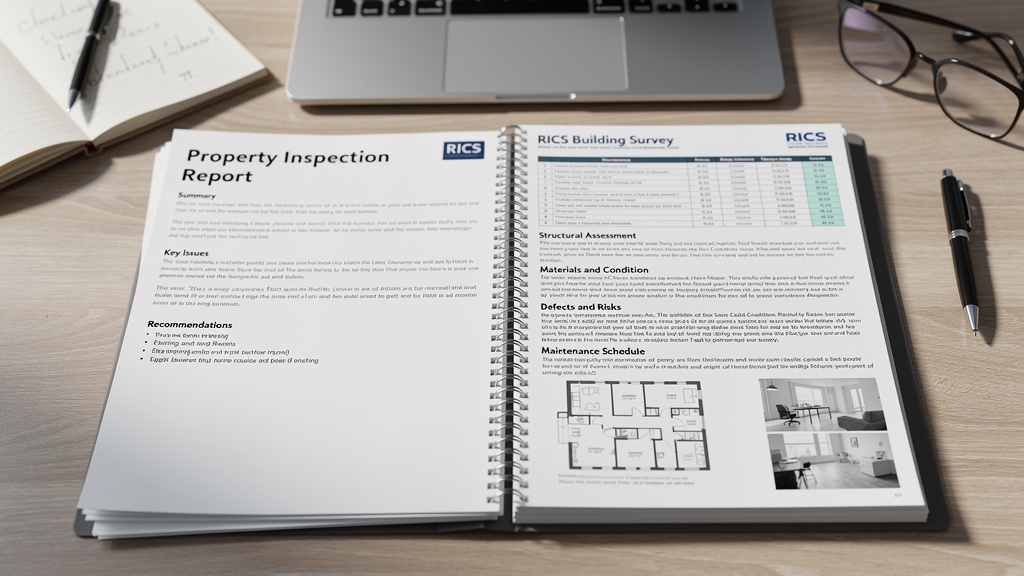
A professional Level 2 home survey or Level 3 building survey will identify all of these issues before you commit to a purchase. Armed with the report, you can negotiate a price reduction, request repairs, or — if the findings are serious — walk away. It's the most important investment you'll make when buying a property.
Structural movement requiring underpinning is typically the most expensive single repair — potentially £15,000–£30,000 or more. However, extensive damp remediation combined with replastering throughout can also reach £10,000+ in severe cases. The key is identifying these issues before purchase, not after.
A Level 2 survey will identify all of these defects where they are visible and accessible at the time of inspection. For items 1, 5, 8, and some aspects of item 9, a Level 3 building survey will provide significantly more depth — including estimates of repair costs and specific recommendations for further investigations.

Related Articles
 Buyer's Guide
Level 2 vs Level 3 Survey
Read Article Victorian Homes