
Most homebuyers think of a survey as a health-check — a way to confirm that a property is what it appears to be. That's true. But there's another dimension that many buyers completely overlook: the survey report is one of the most powerful negotiating tools you'll ever have when buying a property in Nottingham.
In this guide, I'm going to walk you through exactly how to use your survey findings to negotiate a better price — with real examples from properties we've surveyed across Nottinghamshire.
Why Does a Survey Give You Negotiating Power?
The asking price of most properties assumes the property is in broadly the condition the seller and estate agent say it is. When a professional survey reveals defects — damp, roof issues, structural movement, outdated services — it changes the equation. The cost to repair those defects is now a real, documented figure. You're entitled to reflect that in the price you pay.
Crucially, the vendor knows this too. If you walk away, they'll have to accept a lower offer from the next buyer who also gets a survey. Most vendors would rather negotiate with a motivated buyer than start the process again. That gives you leverage.
Step 1: Understand Your Survey Report
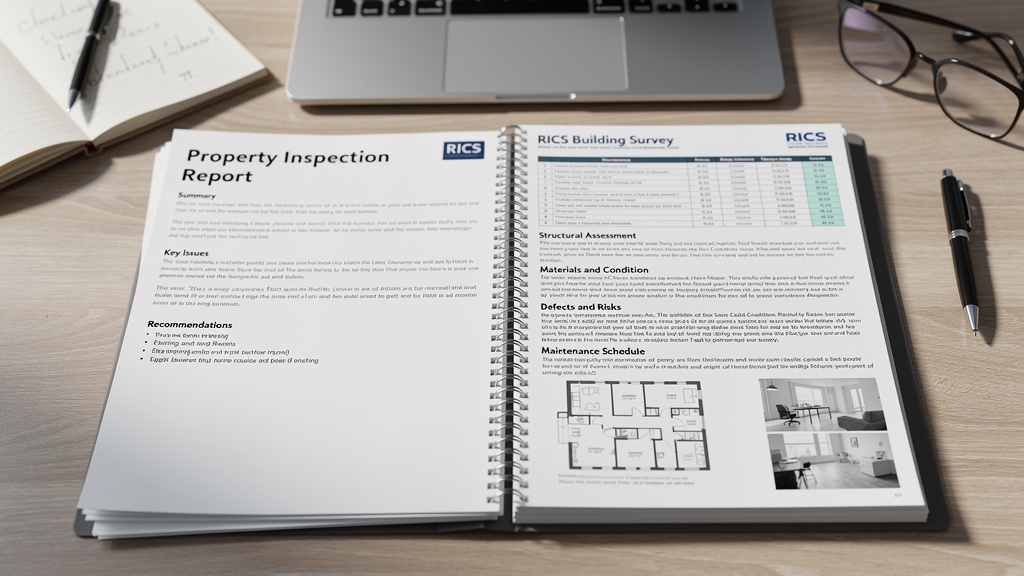
Before you negotiate, make sure you understand every significant finding in your survey report. Your surveyor should provide a free follow-up call after the report is delivered — use it. Ask specifically: "Which of these findings would you consider significant enough to negotiate on?" Some issues are cosmetic. Others are genuinely costly. Knowing the difference is essential.
Step 2: Get Repair Quotes
For the significant findings, get independent repair quotes before you approach the vendor. You don't need to do this for every minor item, but for anything above £1,000 or any significant structural issue, having a real quote from a contractor makes your negotiation much more credible than simply citing the survey report's estimated cost range.
Step 3: Present Your Case Clearly
Write to the estate agent (so you have a paper trail) citing specific findings from the survey report and the repair quotes you've obtained. Keep the tone professional and measured — you're stating facts, not making demands. Something like:
"Following receipt of our Level 2 home survey, we have identified the following defects, supported by contractor quotes. We would like to propose a revised offer of [£X] to reflect the cost of remediation required."
Step 4: Be Realistic About What You Can Negotiate
Not every survey finding will result in a price reduction. The vendor may argue that some defects are cosmetic, or that the asking price already reflected the condition of the property. In a fast-moving market, you may have limited leverage. But in a buyer's market or where the property has been sitting unsold, the vendor is usually motivated to find a solution.
Real Examples: What Our Clients Achieved
- Arnold, 1930s semi: Level 3 survey revealed significant rising damp and woodworm in suspended floor joists. Client negotiated £8,500 off the asking price.
- West Bridgford, 1950s detached: Level 2 found failed roof felting on a flat-roof extension and outdated consumer unit. Client negotiated £3,200 off.
- Beeston, Victorian terrace: Level 3 survey identified chimney stack movement and a blocked soil pipe. Client asked vendor to repair the chimney (done) and negotiated £2,000 off for the drainage work.
- Carlton, 1960s bungalow: Level 2 flagged asbestos in the garage roof. Client negotiated £4,500 off to cover specialist removal and replacement.
Top Tip
Focus your negotiation on the significant, costly defects — not every minor finding. Trying to negotiate a reduction for every small item often irritates vendors and can kill the deal. Pick the items that genuinely affect value and be reasonable about the rest.
If the vendor refuses to accept a lower price or make repairs, you have to make a decision: accept the property at the agreed price (knowing what you're taking on), or walk away. Walking away is always a valid option. The survey has done its job — given you the information you need to decide. Never feel pressured to proceed with a purchase where the numbers don't work for you.
Yes, and sometimes that's the better option. Be cautious, though: if the vendor makes repairs themselves, you have limited control over the quality of the work. If you do accept repairs in lieu of a price reduction, get written confirmation of exactly what will be done, and consider instructing your surveyor to re-inspect before completion.

Related Articles
 Buyer's Guide
Level 2 vs Level 3 Survey
Read Article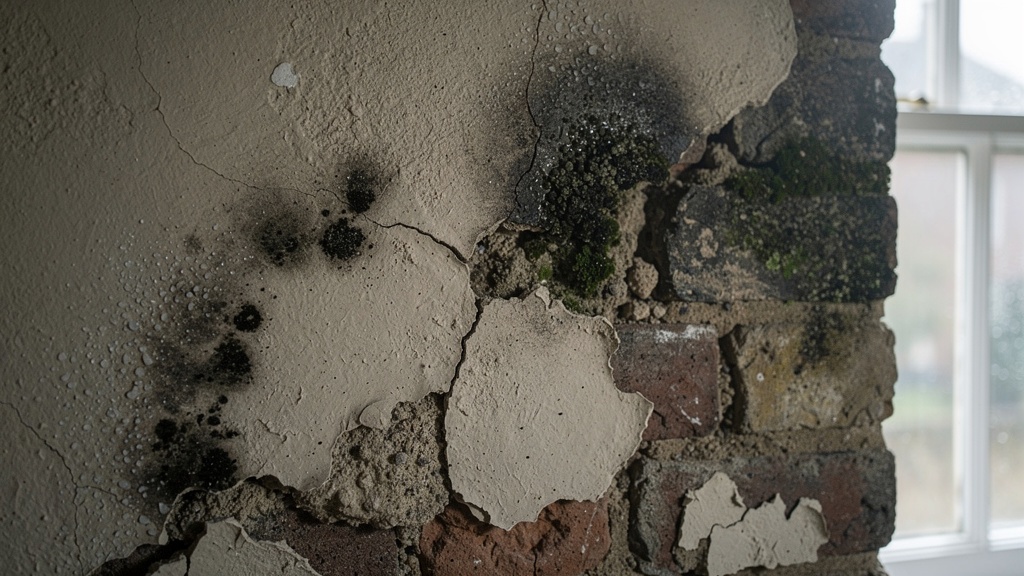 Common Defects