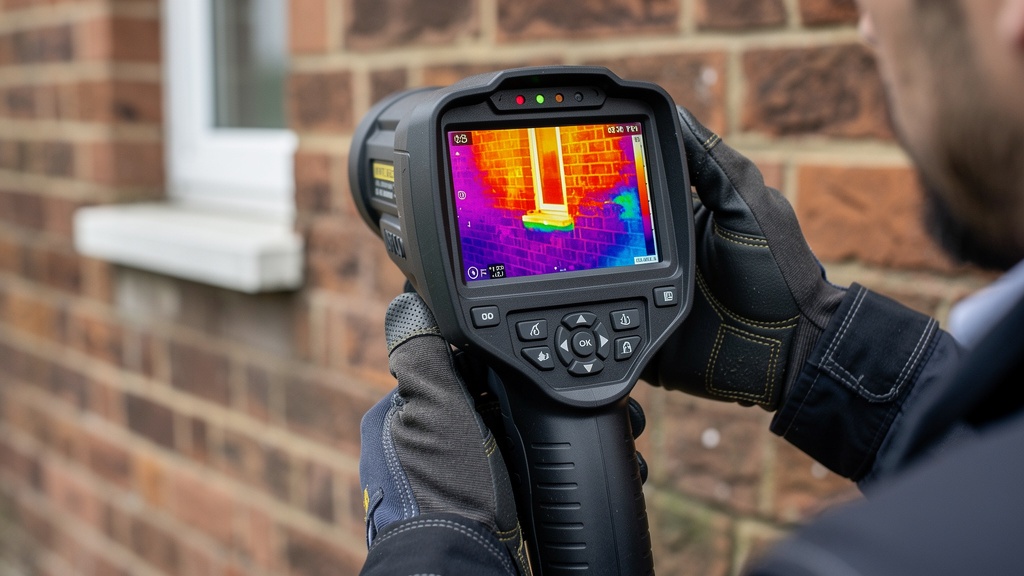
When most people think of a property survey, they imagine a surveyor walking around with a clipboard, damp meter, and a critical eye. And that's still fundamentally accurate — but modern surveying technology has added a remarkable extra layer of insight that simply wasn't available ten years ago: thermal imaging.
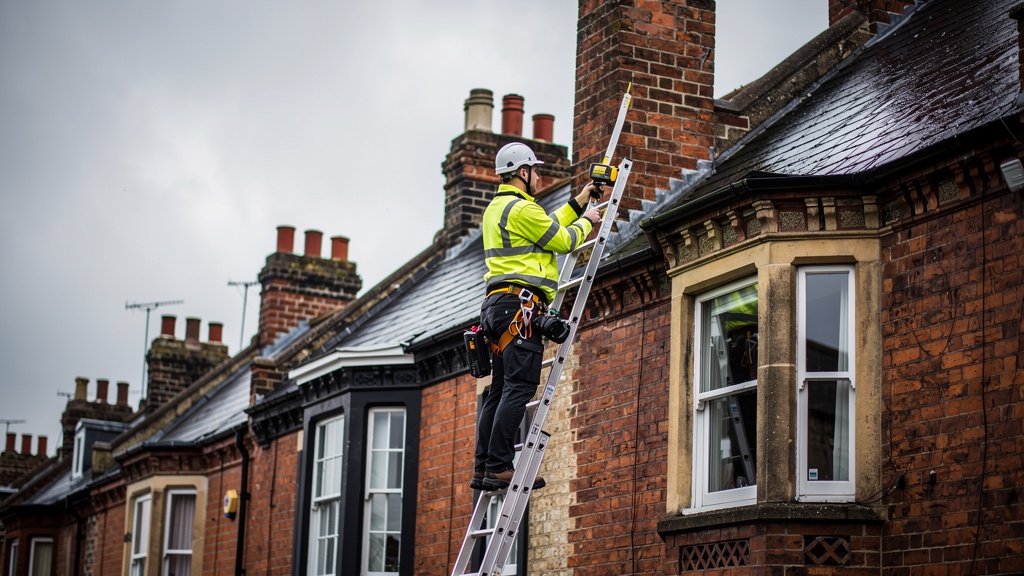
At Nottingham Surveyors, we use thermal imaging cameras as part of our Level 3 building surveys to reveal what the naked eye genuinely cannot see. This article explains how the technology works and what it can find.
What Is Thermal Imaging?
A thermal imaging camera (also called an infrared camera) detects heat radiation emitted by surfaces. Every material emits heat at a slightly different rate. When moisture is present in a wall, ceiling, or floor, it changes the thermal signature of that surface. When insulation is missing in a section of wall or roof space, it creates a pattern of heat loss visible on the thermal image. When hidden pipes are leaking, the water creates a distinctive thermal trail.
The result is a colour-coded image where warm areas appear orange and red, and cooler areas appear blue and purple. To a trained eye, these patterns reveal defects that look completely normal to a visual inspection.
What Thermal Imaging Can Reveal
- Hidden damp and moisture: Water penetration behind plasterwork, under flooring, or within wall cavities often leaves no visible sign until significant damage has already occurred. Thermal imaging frequently identifies moisture that a damp meter cannot reach.
- Missing or void insulation: In a wall or roof that should be insulated, areas where insulation is absent or has settled show clearly as areas of elevated heat loss on the thermal image.
- Underfloor heating faults: Thermal imaging shows exactly which circuits are functioning and which are not — invaluable for buyers of properties with underfloor heating systems.
- Electrical hotspots: Overloaded or faulty electrical components generate excessive heat. Thermal imaging can identify hotspots in consumer units and wiring that indicate potential electrical safety issues.
- Air leakage paths: Cold air ingress through gaps in the building fabric appears clearly on thermal images — useful for identifying draught infiltration points in older properties.
A Real Example: What Thermal Imaging Found in a Mapperley Park Survey
Last year, during a Level 3 survey of a 1905 detached house in Mapperley Park, the visual inspection showed nothing unusual in the rear first-floor bedroom. The plasterwork looked fine. The damp meter showed no elevated readings. But the thermal imaging camera told a very different story.
A large irregular patch of cooler temperature was visible across the upper half of the rear wall. Combined with a slight irregularity in the external brickwork pattern above the bay window, we identified this as a failed section of pointing that had been allowing water to track horizontally through the wall over several years — completely invisible to any other inspection method. The moisture had not yet made it through to the plaster surface.
Estimated repair cost: £1,800 for repointing and replastering. Without the thermal imaging, this issue would have deteriorated undetected until it caused significant structural damage or internal water damage.
Does Every Survey Include Thermal Imaging?
At Nottingham Surveyors, we use thermal imaging as part of our Level 3 building surveys. We also offer it as an optional add-on for Level 2 home surveys when there are specific concerns about a property. If you're buying a property and you have any reason to suspect damp, insulation issues, or hidden defects, ask us about adding thermal imaging to your survey.
Thermal imaging is most effective when there is a significant temperature differential between inside and outside — typically at least 10°C. It works best in autumn and winter. In summer, some types of thermal imaging surveys are less effective, though moisture detection can still be carried out year-round.
Not exactly. Thermal imaging detects surface temperature variations caused by what's happening within or behind a wall. It's more accurate to say it reveals the thermal signatures of what's inside the wall, rather than providing a literal 'see-through' view. The interpretation of thermal images requires training and experience to translate accurately.

Related Articles
 Building Surveys
When Do You Need a Level 3 Survey?
Read Article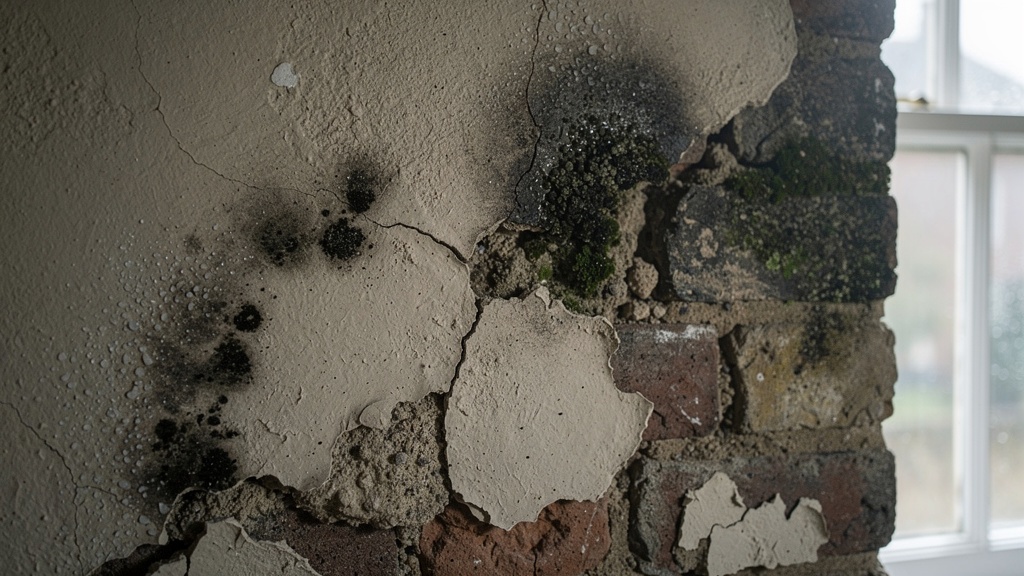 Common Defects