
Nottinghamshire has a significant and well-documented flood history. The River Trent, which flows through the heart of the county, has flooded on multiple occasions over the past two decades — and many properties in and around Nottingham sit within or adjacent to designated flood zones. For homebuyers, understanding flood risk before you commit to a purchase is not optional: it's essential.
In this guide, our RICS-qualified surveyors walk through everything you need to know about flood risk in Nottinghamshire: how to check whether a property is at risk, what a property survey can and can't tell you about flooding, how flood risk affects insurance and mortgages, and what practical steps you can take if you're considering buying in a flood-prone area.
Flood Risk in Nottinghamshire: The Context
Nottinghamshire has experienced some of the most significant flooding in recent UK history. The River Trent floods regularly — notably in 2000, 2007, 2019, and again in 2023 — affecting thousands of properties across the county. Areas along the Trent valley are particularly vulnerable, including parts of Newark-on-Trent, Fiskerton, Gunthorpe, Radcliffe-on-Trent, and East Leake.
Within Nottingham itself, areas such as the Meadows, Wilford, and Colwick sit in proximity to the Trent flood plain. The River Leen, which flows through Bulwell and Basford, has also caused localised flooding, as has the River Erewash in the west of the county.
The Environment Agency (EA) maps flood risk across England using three main flood zones:
Environment Agency Flood Zones Explained
- Flood Zone 1 (Low Risk): Less than 0.1% annual probability of flooding from rivers or the sea. Most residential property in Nottingham falls here.
- Flood Zone 2 (Medium Risk): Between 0.1% and 1% annual probability of river flooding, or between 0.1% and 0.5% from the sea. Properties here may still be insurable but premiums can be higher.
- Flood Zone 3a (High Risk): Greater than 1% annual probability of river flooding or 0.5% from the sea. Insurance can be difficult and expensive. Mortgage lenders may require specialist flood reports.
- Flood Zone 3b (Functional Floodplain): Land that floods regularly and is kept free of most development. Residential property development here is severely restricted.
You can check any property's EA flood zone classification using the GOV.UK flood map for planning, which is freely available online. However, the EA flood zone maps are not the complete picture — surface water flooding, groundwater flooding, and historical local flooding patterns are not always captured in the standard flood zone designations.
What Does a Property Survey Say About Flood Risk?
A RICS Level 2 or Level 3 survey will flag flood risk as a significant issue if it's relevant to the property. In practice, what the surveyor includes depends on the evidence available during the inspection. Here's what a good survey report should cover in relation to flooding:
What a Survey Will Typically Cover
- Flood zone classification: A good surveyor will check the EA flood map and reference the property's flood zone in the report.
- Evidence of previous flooding: This includes flood marks on internal walls, staining at low level, the presence of flood boards or air brick covers, and any works that appear to have been carried out as flood mitigation (e.g., raised thresholds, replacement plaster at low level that differs from the rest of the wall).
- Condition of drainage: Poorly maintained or undersized drainage can contribute significantly to surface water flooding risk.
- Location and topography: A surveyor familiar with the local area will be aware of areas prone to surface water runoff or historically susceptible to flooding, even where the formal flood zone classification is low.
- Flood mitigation measures: Any existing flood resilience measures — such as flood gates, demountable barriers, non-return valves on drains — will be noted.
What a Survey Cannot Tell You
- A property survey is not a specialist flood risk assessment. It cannot model the precise probability of flooding or predict future flood events.
- It will not check the vendor's flood insurance history (though your solicitor can request disclosure).
- It cannot confirm whether the property has been flooded in the past if there is no physical evidence visible at the time of inspection.
- For properties in higher flood zones, or where flooding is suspected, we typically recommend obtaining a specialist flood risk assessment from an environmental consultant alongside the standard survey.
"In my experience, buyers who are concerned about flood risk often focus entirely on the EA flood zone classification. But some of the worst-affected properties I've surveyed in Nottinghamshire were technically in Flood Zone 1 — they flooded from surface water, not the Trent. Local knowledge and a thorough inspection are just as important as the official maps."
— Sarah Chen, RICS Chartered Surveyor, Nottingham Surveyors
How Flood Risk Affects Mortgages and Insurance
Flood risk has significant practical implications for both mortgage availability and insurance costs. Understanding these before you make an offer could save you from a very unpleasant surprise.
Mortgage Lending in Flood Risk Areas
Most mainstream mortgage lenders will not refuse a mortgage purely on the basis of flood zone classification — but they may require additional conditions. If a surveyor flags flood risk as a significant concern in their valuation report, the lender may:
- Require a specialist flood risk assessment before approving the mortgage
- Reduce the loan-to-value (LTV) ratio they're prepared to offer
- Require evidence that adequate flood insurance is in place as a condition of the mortgage
In more extreme cases — particularly for properties in Flood Zone 3 with a history of flooding — some specialist lenders may decline to lend entirely, or only lend at significantly less favourable rates. It's always worth checking with your mortgage broker before making an offer on a property you're concerned about.
Flood Insurance: Flood Re Scheme
The UK government's Flood Re scheme, launched in 2016, was designed to make flood insurance more accessible and affordable for properties at high risk of flooding. Under Flood Re, insurers can pass the flood risk element of policies to a central pool, capping the cost for householders.
However, Flood Re has important limitations that buyers should be aware of:
- It applies only to properties built before 1 January 2009 (newer properties are excluded on the basis that they should have been built with flood risk in mind).
- It excludes commercial properties and leasehold flats in blocks of four or more storeys.
- It is a transitional scheme — it is scheduled to run until 2039, after which premiums are expected to reflect actual flood risk more directly.
- Even within Flood Re, premiums for high-risk properties can be substantially higher than for standard properties.
For properties outside Flood Re — particularly newly built homes in flood risk areas — obtaining affordable flood insurance can be genuinely difficult. Always confirm insurance availability and cost before exchanging contracts.
Key Flood Risk Areas in Nottinghamshire
Based on our surveying experience across the county, the following areas carry elevated flood risk that buyers should be specifically aware of:
River Trent Corridor
Properties within the Trent valley floodplain carry the highest flood risk in Nottinghamshire. This includes significant parts of Newark-on-Trent, Fiskerton, Gunthorpe, Radcliffe-on-Trent, West Bridgford (along the Trent embankment), and Colwick. The 2000 and 2019 flood events caused significant damage in many of these areas.
The Meadows and Wilford, Nottingham
Parts of the Meadows are in Flood Zone 3, reflecting their proximity to the Trent. The area has historically flooded, and while significant flood defence investment has been made since the 2000 floods, residual risk remains. Properties here — particularly lower-ground-floor and basement flats — warrant careful attention.
Bulwell and the River Leen
The River Leen flows through Bulwell and into Nottingham, and localised flooding has occurred in parts of Bulwell, Basford, and Sherwood. The risk is generally lower than the Trent corridor, but properties immediately adjacent to the Leen should be treated with caution.
Hucknall and Gedling
Surface water flooding has been an issue in parts of Hucknall and Gedling, particularly in lower-lying streets during heavy rainfall events. This is not always reflected in the EA flood zone maps, making local knowledge and a thorough visual inspection particularly important.
Surface Water Flooding: The Hidden Risk
Surface water flooding — where heavy rainfall overwhelms the drainage system and water pools on the surface — is increasingly significant in urban areas, including much of Nottingham city. Unlike river flooding, it is not well captured in the standard EA flood zone maps.
The government's Long-Term Flood Risk map (available on GOV.UK) provides surface water flood risk data as well as river flood risk data, and is worth checking for any property. However, even this data has limitations — it is based on modelled scenarios rather than actual flood history.
For an accurate picture of surface water flood risk, look for these signs during a property viewing:
- Low-lying location relative to surrounding streets
- Evidence of water ingress at the base of walls or through the floor
- Drainage channels or gulley covers at the front or rear of the property
- Water staining or tide marks at low level inside the property
- Pumping equipment in cellars or under-floor voids
What Should You Do Before Buying a Property with Flood Risk?
If you're considering buying a property in or near a flood risk area in Nottinghamshire, here's a practical checklist:
Pre-Purchase Flood Risk Checklist
- Check the EA flood zone map and the Long-Term Flood Risk map for the specific property address
- Ask your solicitor to request flood history disclosure from the vendor (this is not automatically provided)
- Obtain a RICS Level 2 or Level 3 survey and ask the surveyor to specifically comment on flood risk evidence
- For properties in Flood Zone 2 or 3, or where flooding is suspected, commission a specialist flood risk assessment
- Get insurance quotes from multiple insurers before exchanging contracts — confirm flood cover is available and at what cost
- Ask your mortgage broker to check lender requirements for the specific flood zone classification
- Research local flooding history — local council flood risk registers and news archives can be helpful
- Consider flood resilience measures (flood doors, non-return valves, raised electrical sockets) and factor their cost into your budget
Flood Resilience and Resistance Measures
If you do decide to purchase a property with some flood risk — whether a historic property in a beautiful Trent-side village or a well-priced terrace in a flood-prone part of the city — there are practical measures that can significantly reduce the impact of any future flooding event.
Flood resistance measures aim to keep floodwater out of the property entirely:
- Flood doors and door barriers
- Non-return valves on drains and sewer connections (to prevent sewage backflow during flooding)
- Air brick covers (to prevent water entering through ventilation bricks)
- Waterproof render on external walls
- Raised thresholds
Flood resilience measures accept that some water may enter but minimise damage and speed recovery:
- Tiled or concrete ground floors instead of timber suspended floors
- Flood-resistant wall plaster and insulation
- Electrical sockets and consumer units raised above anticipated flood level
- Stainless steel or solid wood kitchen units rather than chipboard
- Flood-resilient doors and skirtings
The government's Build Back Better scheme (via Flood Re) provides grants of up to £10,000 for flood resilience improvements to properties that have already been flooded — worth knowing if you're buying a property with a flood history.
Frequently Asked Questions About Flood Risk and Property Surveys
Yes — a RICS Level 2 or Level 3 survey will check and report on the property's flood zone classification and will note any physical evidence of previous flooding observed during the inspection. However, a standard survey is not a specialist flood risk assessment. For properties in elevated flood zones, we recommend commissioning a separate specialist report.
In many cases, yes — but it depends on the flood zone and the lender. Most mainstream lenders will lend on properties in Flood Zone 2, possibly with conditions. Flood Zone 3 properties can be more challenging, particularly if they have a flood history. Specialist lenders may be required in some cases. Always check with your mortgage broker before making an offer.
The best starting point is the government's Long-Term Flood Risk service on GOV.UK — it covers both river flooding and surface water flooding risk. You can enter any postcode or address. For a more detailed picture, a specialist flood risk assessment from an environmental consultant is the most thorough option.
Vendors are required to complete a TA6 property information form as part of the conveyancing process, which includes questions about flooding. However, if the vendor is unaware of previous flooding (for example, if they bought the property without incident), they may honestly answer that they have no knowledge of flooding. This is why commissioning a survey and checking flood risk data independently is important.
It can be — particularly if the flood risk has been reduced by subsequent flood defence works, and if the property price reflects the risk. Many beautiful properties in desirable Nottinghamshire villages sit in flood risk areas and have been successfully bought, insured, and lived in without incident for many years. The key is going in with a full understanding of the risk, the insurance position, and any steps you'll need to take to protect the property.

Related Articles
 Buyer's Guide
Level 2 vs Level 3 Survey: Which Do You Need?
Read Article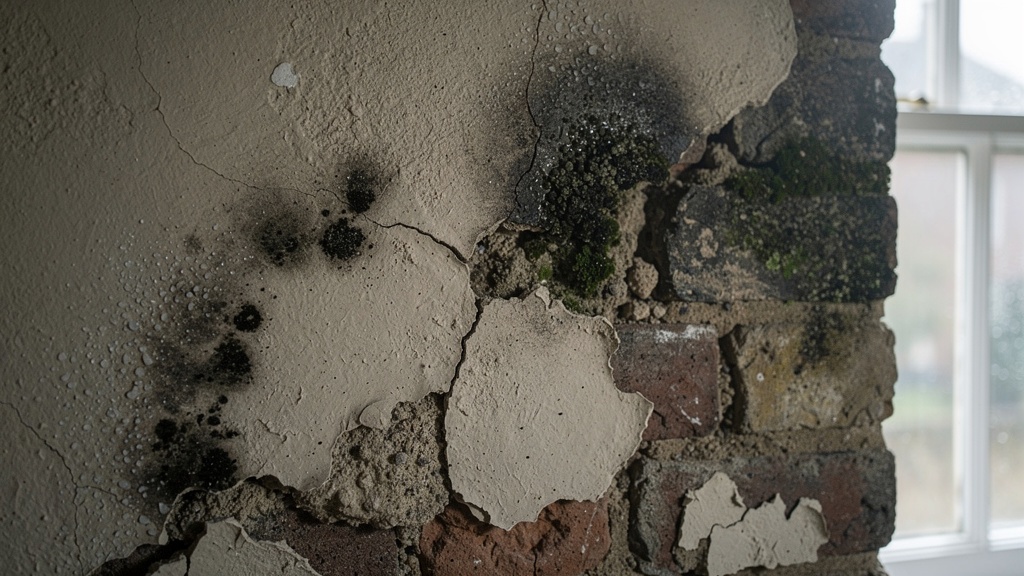 Common Defects